


 Cart
Cart
 Contact
  Region
  Samples
  Stores
  Inspo
Inspo  Showroom
  Home
Home 


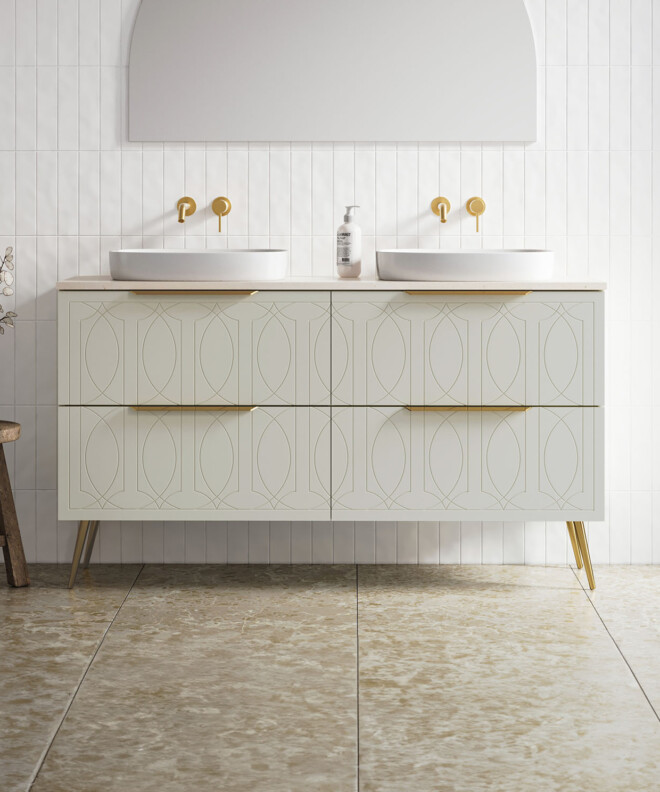
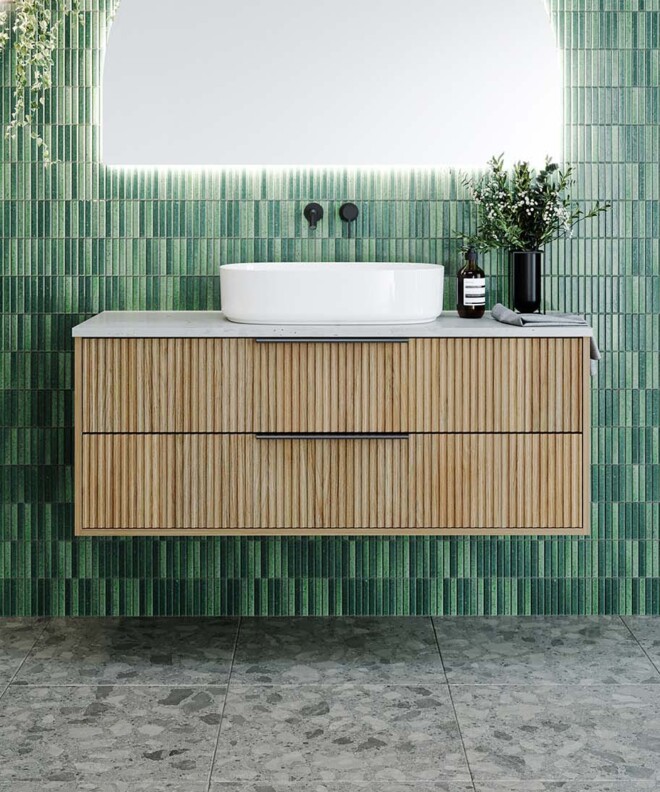
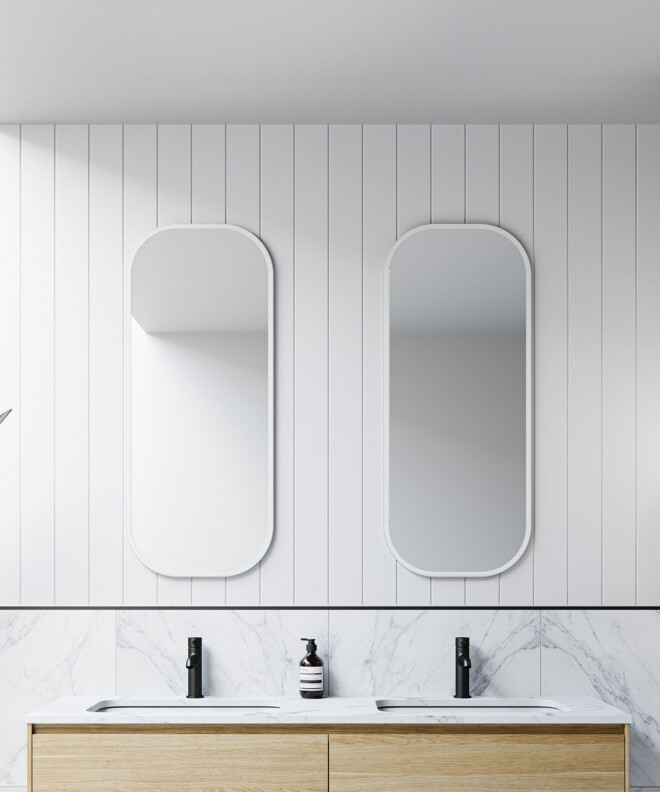
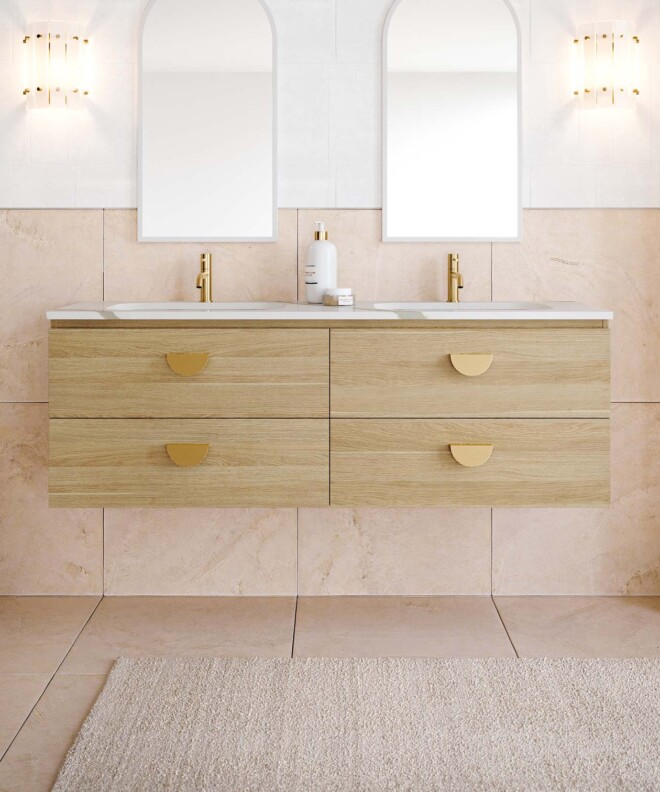
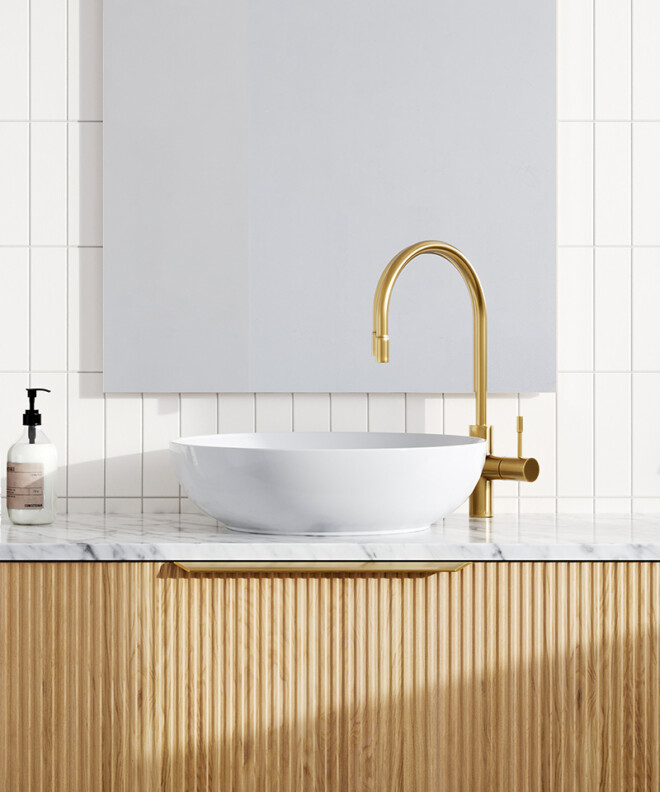
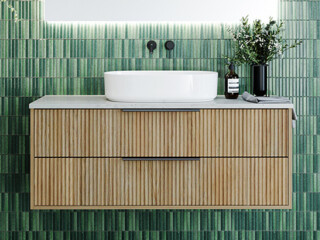
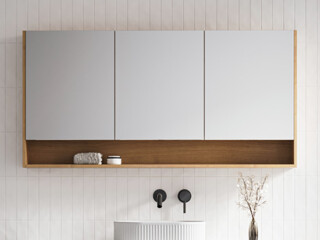



Why we keep coming back to curves
Curves have a way of making a space feel softer, calmer and a little more considered. Here’s why they keep finding their way back into bathroom design.
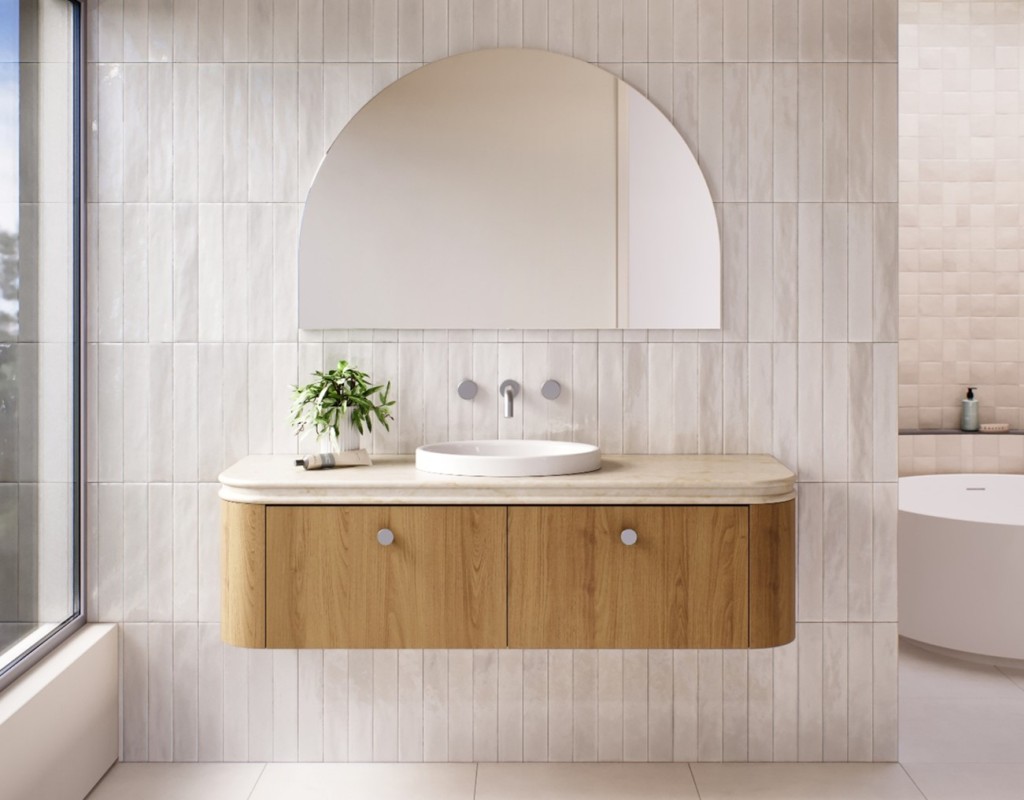
Choosing a vanity is a surprisingly big decision.
You might spend months saving ideas, comparing styles and wondering whether the thing you love now will still feel right in ten years.
And if you’re drawn to curves, there’s probably one question sitting in the back of your mind: is this something I’ll still love later?
The reassuring thing is that curves aren’t exactly new.
They’ve moved through interiors for generations, taking on different forms along the way. And while the way we use them changes, the appeal keeps resurfacing.
So why do curves keep coming back?
Part of it may simply be how we respond to shape.
Research into our response to shape has repeatedly found a preference for curves over sharper, angular forms. A 2026 study published in the Journal of Environmental Psychology found that interiors with curved elements were rated more positively for qualities including homeliness and willingness to spend time in the space.
A softer break from all the straight lines
Bathrooms naturally come with a lot of structure. Tiles create grids. Walls meet at right angles.
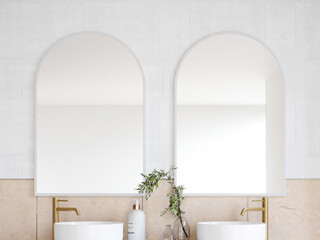
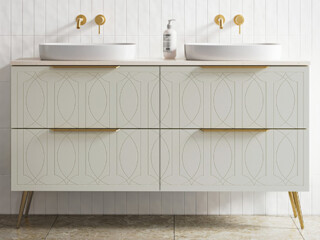
A curved vanity breaks that up. Even a simple rounded edge can soften the room without changing the whole look.
It’s often the smaller details that make it work
A curve can sit quietly in a room. It might be the end of a vanity or the profile of the benchtop.
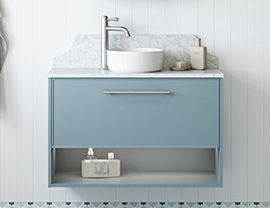
Curved open end shelves on the Santos and Socoa continue the softer line of the vanity, while giving you a practical place the things you reach for every day.
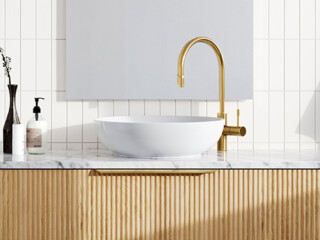
A split double bullnose top adds extra softness without taking over the whole room.
That’s probably part of what makes curves so easy to live with: they can be as obvious or as subtle as you want them to be.


Related Stories
- Inspiration
- July 2024
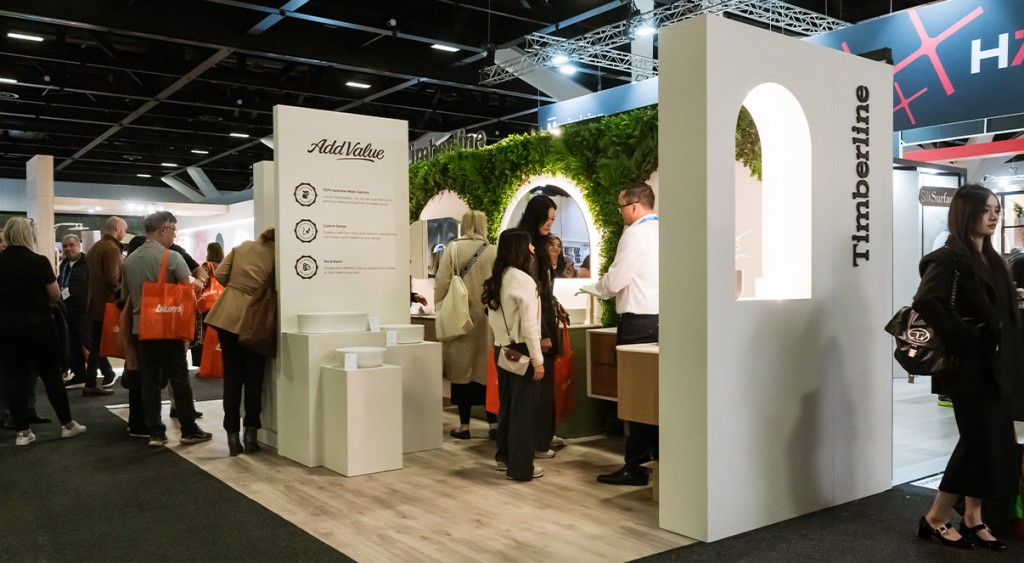
Our Highlights from the Design Show:
A Recap
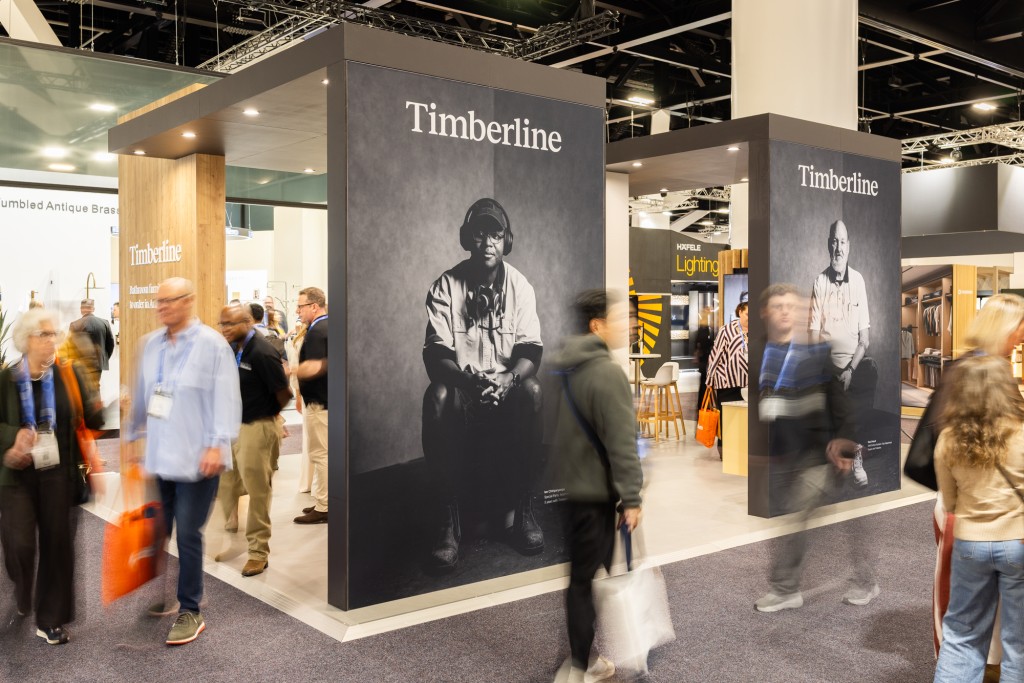
Timberline was thrilled to exhibit at the Design Show again this past month. We had a fantastic time showcasing our latest products and receiving valuable feedback from stores, designers, and end customers.
- Inspiration
- October 2025
Here’s How to Create a Warm Mediterranean-Inspired Bathroom
Looking to create a bathroom that feels like a quiet escape to somewhere sun-drenched and timeless? This style draws inspiration from the warm, rustic beauty found across southern Europe – think earthy colours, natural textures, and handcrafted details. Here’s how to bring the look to life in your own home.
- Inspiration
- June 2026
Choosing who’s behind your vanity
Sometimes, choosing where to buy your vanity is about more than aesthetics. It’s about the people behind it.
