


 Cart
Cart
 Contact
  Region
  Samples
  Stores
  Inspo
Inspo  Showroom
  Home
Home 


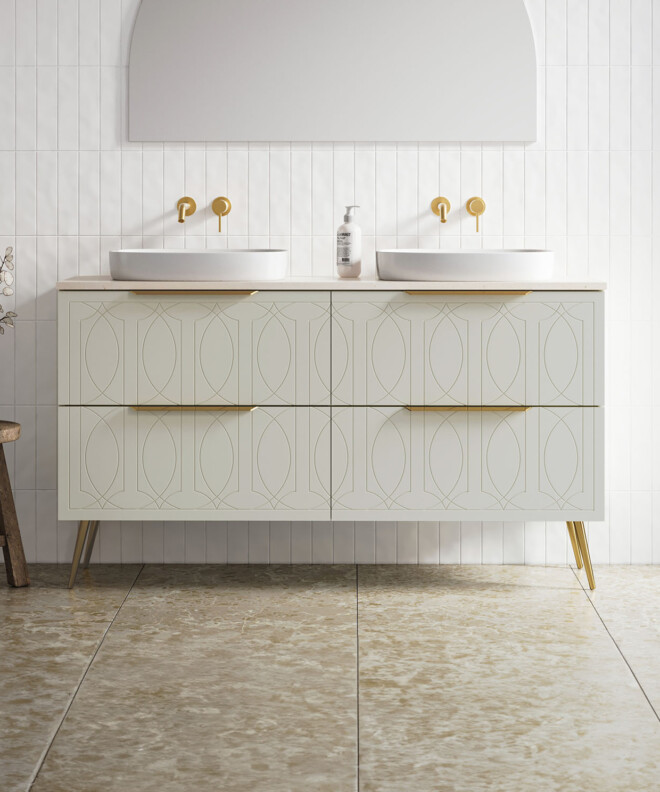
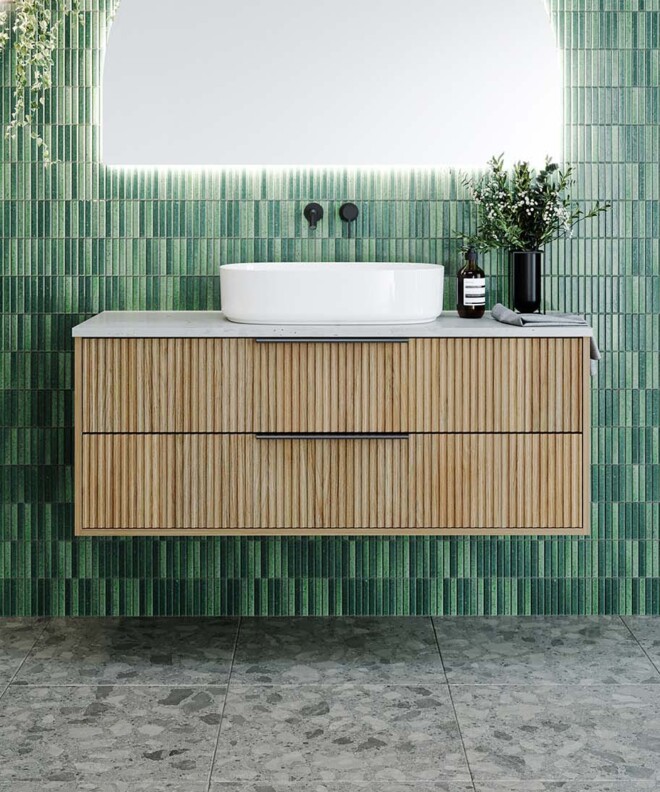
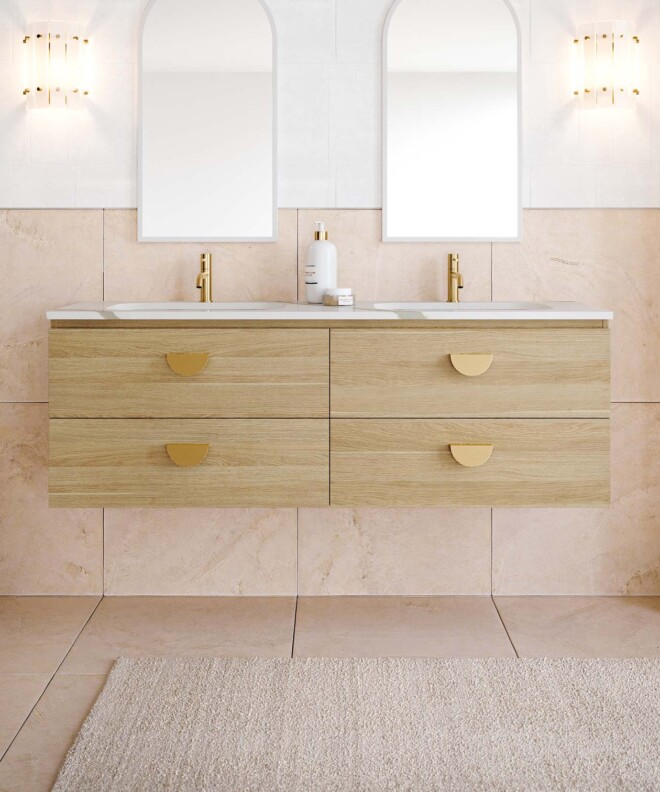


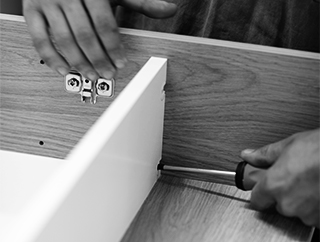


Interview: Do You Know What to Look for in a Quality Bathroom Vanity?
When you’re comparing vanities, it’s easy to focus on the colours, the style, and the price. But the real difference between a vanity that lasts (and one that sadly doesn’t) lies in the details you might not see at first glance.

To help cut through the confusion, I sat down with someone who knows bathroom furniture inside out: Marius Van Der Walt, Timberline Operations Manager, with over 35 years of hands-on industry experience.
Editor: Welcome, Marius. Thank you for joining me today.
So, can you walk me through what I should be on the lookout for when choosing a quality vanity?
Marius: Number one, I highly encourage a vanity built from quality board of either Australian or European origin with low emissions.
Editor: What’s the danger of using board from an unknown origin?
Marius: Well, with a lot of board – especially anything not manufactured in Australia or sourced from a reputable European supplier – you often find higher levels of certain chemicals. Some of these can be harmful and may cause irritation, and that’s not something you want releasing into your home with your family around.
You also don’t know whether the board is actually moisture resistant. So, MR board is a prerequisite for a good vanity because you’ve got it in a high moisture environment most of the time.
Editor: Is the cabinet edge important for moisture resistance?
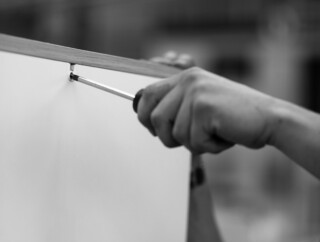
Marius: I’d recommend a vanity that has a good fusion edge, or what Europe calls a laser applied edge. This seals the raw edge of your moisture resistant board, giving you a watertight seal, which in a wet environment, guarantees you’ll get longevity out of your cabinet. Getting into details, the edging should preferably be an ABS edge, which can take better impact resistance than polypropylene. It’s recyclable and much kinder to the environment.
Editor: Interesting.
When it comes to construction methods, is there a benefit of a cabinet being constructed one way over the other?
Marius: Absolutely. I believe in the tongue and groove construction method, which is a real old school way of doing it, and it remains popular because of the strength it gives in construction.
It’s also very important to use good, high-quality, warrantied European-manufactured fittings like cams and pins, as well as specialised brackets made specifically for their purpose.
Editor: Why’s that important?
Marius: So that you know the vanity can take the weight – you’re putting a lot of weight on it. Say you take a standard 900mm vanity and put a ceramic top on it, that ceramic top weighs the best part of 25 kilos. Or a stone top, it could go up to 45 kilos. On top of that, you’ll likely add other items, and keep in mind little kids like to climb so you want to be sure that the cabinet construction can handle all that.
Editor: Wow, the weight can really add up.
Marius: That’s why you need good solid construction.
You also need a solid vanity back – not flimsy 3mm stuff. A good solid cabinet back that’s tongue and grooved into the sides of your cabinet will handle the weight and the rigours of everyday life.
Editor: What about the hinges and runners – what would you recommend?
Marius: Highly recommend European manufactured products that are rust resistant and have a lifetime warranty. You don’t want your hinges falling apart after a few years.
Editor: Would those hinges and runners be soft closing? There’s nothing worse than a cabinet door or drawer that slams shut, especially when you’re trying to get ready early while others are still sleeping.
Marius: Absolutely – you want soft close.
Editor: Anything else you wanted to add Marius?
Marius: For me, packaging is very important because by that stage, your vanity should have gone through a quality assurance or control process, and everything’s good to go. So, I’d look for a vanity that’s wrapped in non-abrasive foam that doesn’t leave any marks on it and then wrapping it in bubble wrap will give you bump protection. Finally, packaging it in a MDF crate will give that extra layer of protection that a cardboard box just simply couldn’t give you.
Now some vanities can be travelling 6000km, so you want to make sure it gets there in good fashion. Loaded onto trucks, then they can be shunted onto trains, then back on trucks – the packaging must be able to withstand all that to get to your house how it left the factory.
Editor: The packaging is almost as important as the vanity itself, isn’t it? You wouldn’t want to invest in a new bathroom vanity only for it to arrive in a cardboard box!
Marius: Yes, to me, that’s a red flag.
Editor: Thanks for joining me Marius. That was very insightful, and it was great to learn the features of a well-crafted vanity.
Curious to see those features in action?
Be sure to check out our video where we demonstrate those features up close, so you’ll know exactly what quality looks like.
Related Stories
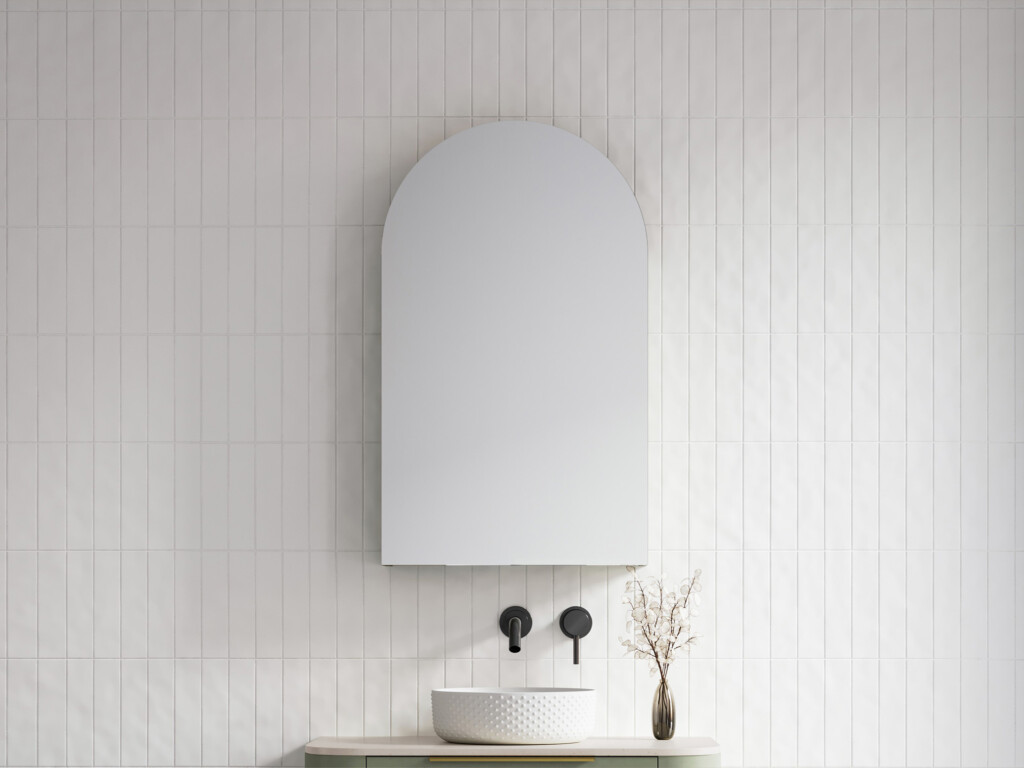
- September 2022
Top Trends To Inspire Your New Bathroom Design
One of the biggest trends for bathrooms and powder rooms right now are curved mirrored shaving cabinets. Adding one of these beauties adds instant hotel luxury.
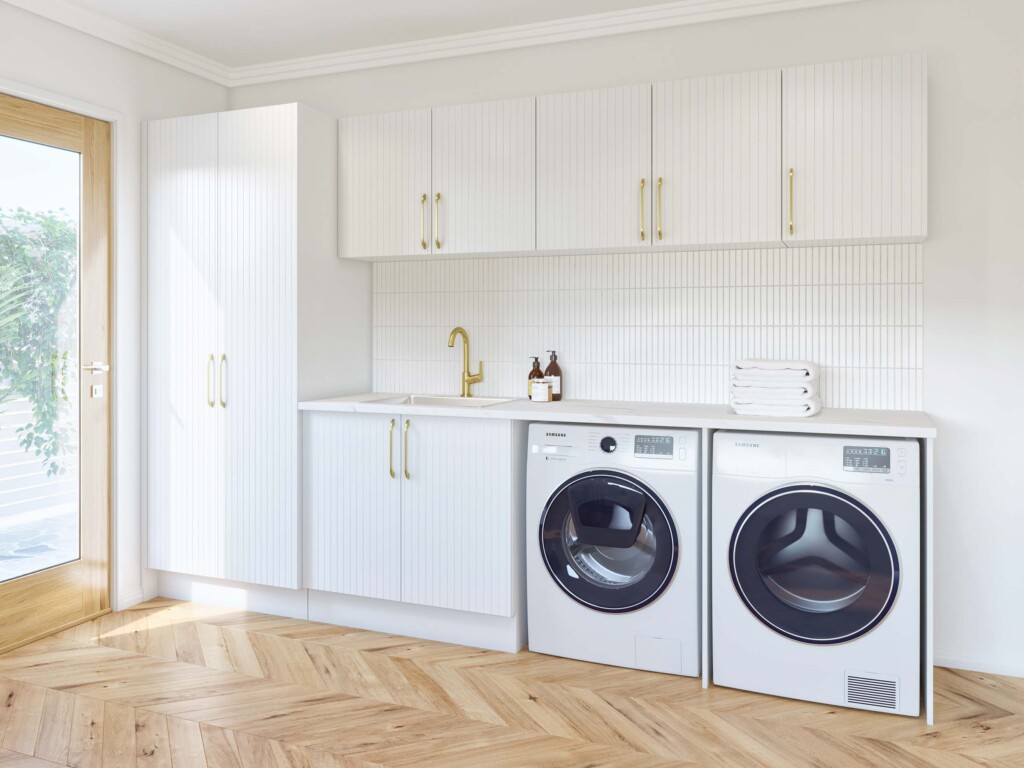
- December 2023
9 Great Tips To Create Your Dream Laundry!
You know as well as I do that top-notch laundry is one of the big-ticket items to truly add value to your house.
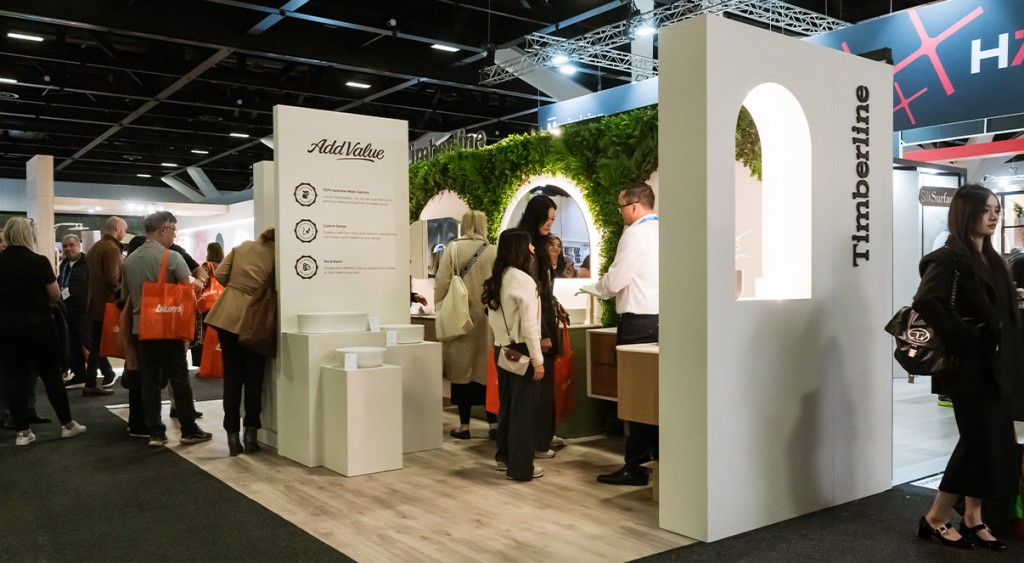
- July 2024
Our Highlights from the Design Show:
A Recap
Timberline was thrilled to exhibit at the Design Show again this past month. We had a fantastic time showcasing our latest products and receiving valuable feedback from stores, designers, and end customers.
